
COP17: Beyond promises, towards a future for seagrass
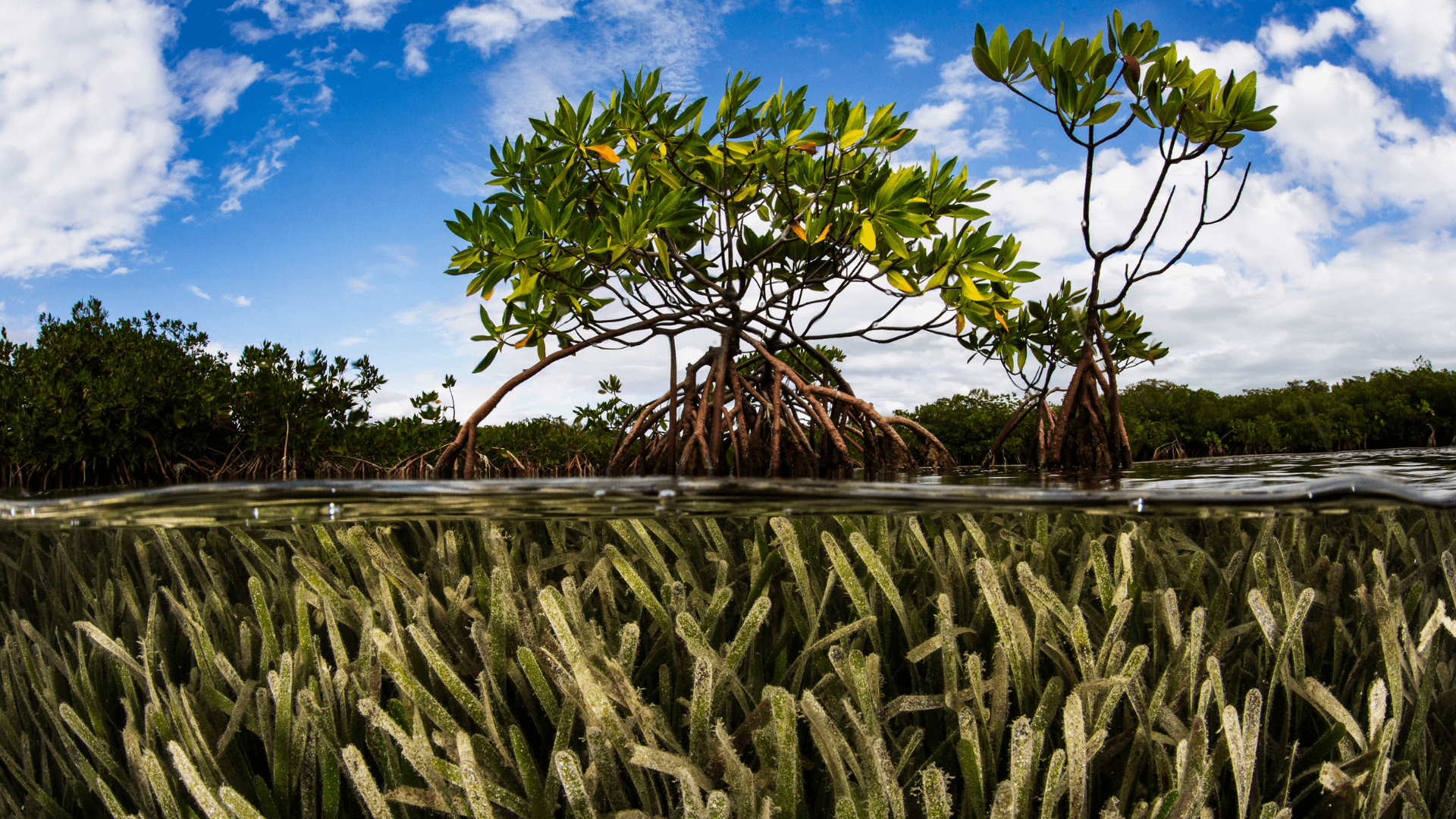
Our Ocean is changing and conservation efforts need to keep up. This week, governments, scientists and conservation organisations are gathering in Yerevan, Armenia, for COP17, the United Nations Biodiversity Conference. Four years after the world agreed to halt and reverse biodiversity loss by 2030, we’re now taking stock on progress. The commitments made under the Kunming–Montreal Global Biodiversity Framework were ambitious. Protect and effectively conserve 30% of the world’s land and seas, begin restoration action across 30% of degraded ecosystems, reduce pollution and other pressures driving biodiversity loss, and strengthen the resilience of nature to climate change. But commitments alone do not secure the future of ecosystems, and with just four years remaining until 2030, the challenge now is turning that ambition into meaningful action. Seagrass systems offer a significant contribution towards achieving global habitat and biodiversity recovery goals. Seagrass is a system of hope, where evidence-based conservation and restoration action is delivering fruitful returns. The key here, is science-led, evidence-based, and stakeholder engaged. Recovery is not easy, but at Project Seagrass, we’re demonstrating that it is possible at meaningful scales. Globally, seagrass meadows contribute to the health of our ocean, yet these ecosystems continue to face pressures from declining water quality, coastal development, physical disturbance and a changing climate. These pressures are difficult to manage and often originate far beyond the physical boundaries of a seagrass meadow, and even the Ocean itself. Despite growing recognition of the importance of seagrass and a wave of interest in seagrass restoration, existing meadows around the world remain vulnerable. Therefore, protecting and restoring them requires action and ambition to address the threats that undermine their health and potential for recovery. We cannot simply restore our way out of continuing seagrass loss; we must halt the loss. Restoration has an important role to play in rebuilding degraded ecosystems. Considerable progress has been made in developing the approaches needed to recover lost seagrass meadows, but only in areas where threats have been removed or significantly reduced. In a world of limited funding for nature, we need to balance our efforts across protection, and both passive (threat removal) and active restoration. A newly planted area of seagrass cannot immediately replace the ecological complexity, biodiversity and functions of an established ecosystem that has been destroyed. Given the chance, it will in time, and we need to be preparing for the future. But in a rapidly changing climate, time is also not on our side. Active restoration will also only deliver lasting recovery, with prolonged action, and if the pressures responsible for seagrass decline in the first place remain absent. Science (and logic) tells us that we need to prevent loss in the first place. That means addressing water quality concerns, becoming better at managing our catchments using land-to-sea approaches, removing or reducing other damaging activities, and ensuring integrated marine restoration and protection plans translate into measurable improvements in ecosystem condition. However, there is another looming challenge that conservation must confront. Are we protecting nature for the world we had, or the world we’re heading towards? We can be hopeful, but the reality is that our Ocean is changing. Rising global temperatures, marine heatwaves, and increasingly unpredictable environmental conditions are placing new pressures on coastal ecosystems. So, we need to focus on ecosystem functioning for survival. The conditions in which today’s seagrass meadows have developed and in which they currently persist, may not be the conditions they experience in the coming decades. At Project Seagrass, we are hopeful and realistic about the challenges we face. That’s why our science-based approach accounts for a world in which the climate is changing. We’re focusing on conservation and restoration science that aims to future proof provisioning of ecosystem services that support human wellbeing. Our changing climate demands that conservation approaches change to sustain life as we know it. We need forward-looking approaches that maintain critical nature-based services. For seagrass to be part of the solution, we are investigating and understanding how seagrass ecosystems respond to environmental change; developing new tools to identify where seagrass is most vulnerable; and designing innovative solutions that reduce the local pressures that compromise recovery potential. For Project Seagrass, this future thinking is shaping our work. Across the UK and internationally, we’re bringing together the science needed for protection, designing our restoration approaches with a changing climate in mind, and leading community-led conservation to help safeguard seagrass ecosystems in an increasingly uncertain future. We’re thinking of the seagrass of tomorrow. Successful conservation cannot simply be measured by how much habitat we plant, how many protected areas we designate or how many commitments we make. Real and lasting success will be measured against the health and wellbeing of our biosphere in the future that we know is coming. As COP17 continues, our message is simple. The world has already made important commitments to biodiversity recovery. Now we need to deliver on them. That delivery needs long-term investment, meaningful protection and novel conservation approaches that recognise the realities of a changing world. Our Ocean is changing. So are we. Help Project Seagrass protect the meadows we have, restore those we have lost and build a more resilient climate ready future for seagrass, marine life and coastal communities. Support our campaign to future-proof seagrass conservation. Donate here