Careers in Conservation: Digital Content Creator
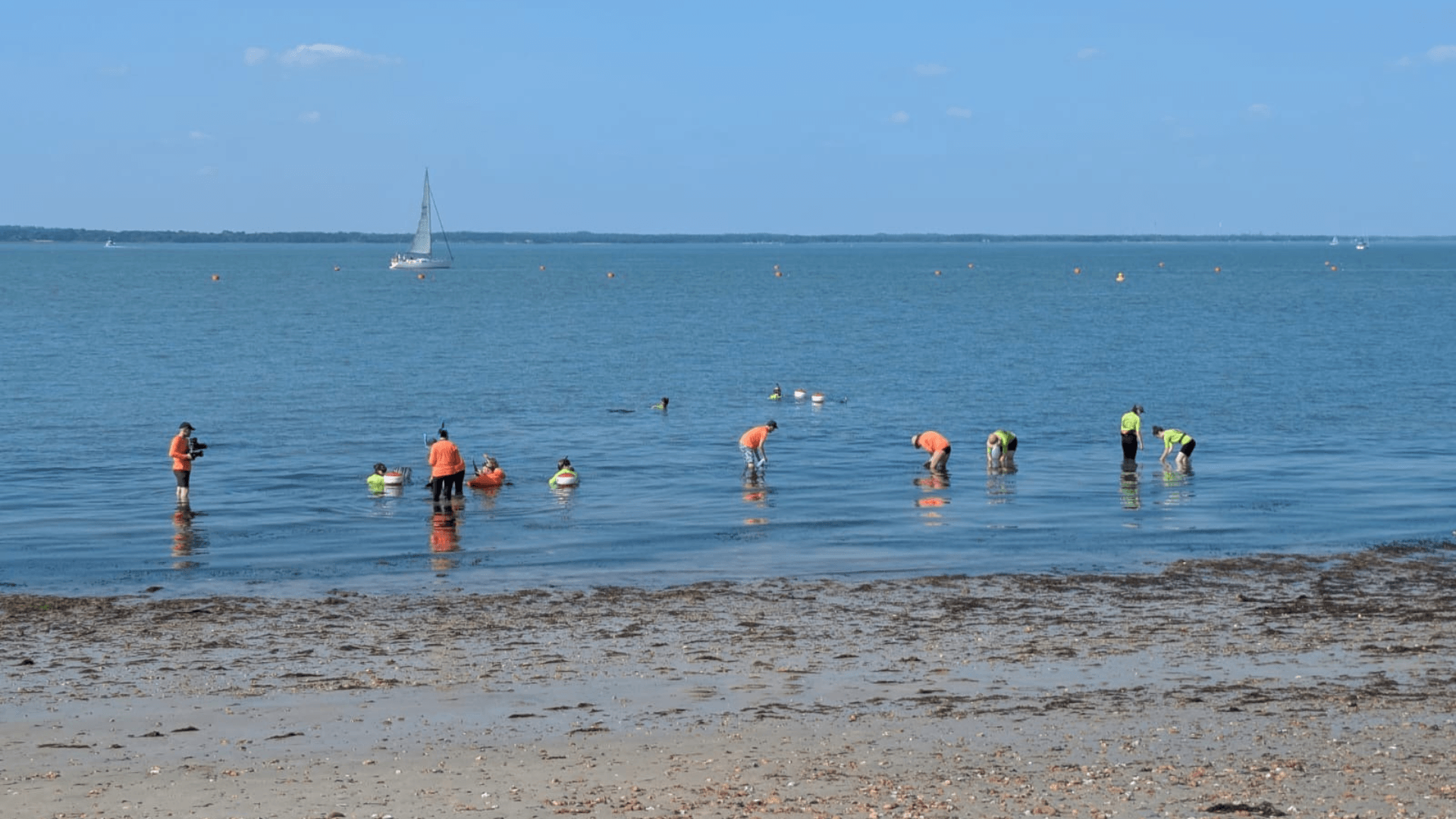
The Careers in Conservation: Below the Surface series takes a deep dive into the variety of job roles available within the conservation sector. In this article, Project Seagrass Digital Content Creator Tim Horton shares his experiences and the route he took to a career in conservation. Job Description and Skills Tim joined Project Seagrass as our Digital Content Creator in April this year. His role involves creating compelling video, photographic, and written content for Project Seagrass’ social media channels and website, aiming to convey the importance of seagrass and inspire global action to protect it. One of the aspects Tim enjoys most about his role is the opportunity to capture the work of the team in some fantastic landscapes. He also enjoys connecting with partner organisations, volunteers, and the general public. However, there are some challenges within the role. Tim notes how content creation takes time, pointing out how a high quality 1 minute video can actually take more than 2 hours to edit. Tim also points out the necessity of having a well thought out content plan for projects and how this can sometimes get forgotten about in the project planning phase. Previous Experience Prior to joining Project Seagrass, Tim gained over 3 years of experience as an environmental content creator, videographer, and photographer with the Wildlife Trusts and in a freelance capacity. Tim has a BSc in Natural History from the University of South Wales and an MA in Wildlife Documentary Production from the University of Salford. Tim also has a CIEEM accreditation as a chartered ecologist. The most influential factors in Tim attaining his first environmental roles were his videography and photography portfolios in addition to his degrees. On top of this, Tim had been volunteering for 6 summers with Wiltshire Wildlife Trust, giving him contacts within the organisation. In reflection, Tim mentions if he could go back he would have completed his drone training earlier as this is a qualification that he is still yet to complete. Advice for working in conservation Tim advises the ideal person for a career in conservation and restoration would be an open-minded individual who is able to connect with a wide range of people – a useful skill when trying to engage the public with projects. The ability to adapt to changing plans, problem solve, and employ quick thinking and resilience is also very useful. Tim also adds: ‘If you’re aiming for more practical conservation work, you should also be willing to work in all weather conditions. Dependability and a level-headed attitude will also go far.’ He also emphasises the importance of volunteering and gaining practical experience in environmental charities. Tim recommends using environmentjob and Countryside Job Service as places to look for openings, adding that LinkedIn and Indeed can be a good resource, but should be used alongside other platforms. When asked about networking, Tim responded: ‘The first port of call for networking within conservation is through long-term volunteering and work experience, although building initial connections on platforms like LinkedIn and through emails can be helpful. For example, I still retain regular, positive contact with the Head of Communications from one environmental charity via email, even though I was unsuccessful in gaining the role.’