3D-printed bioplastic pods offer new hope for seagrass restoration in Thailand
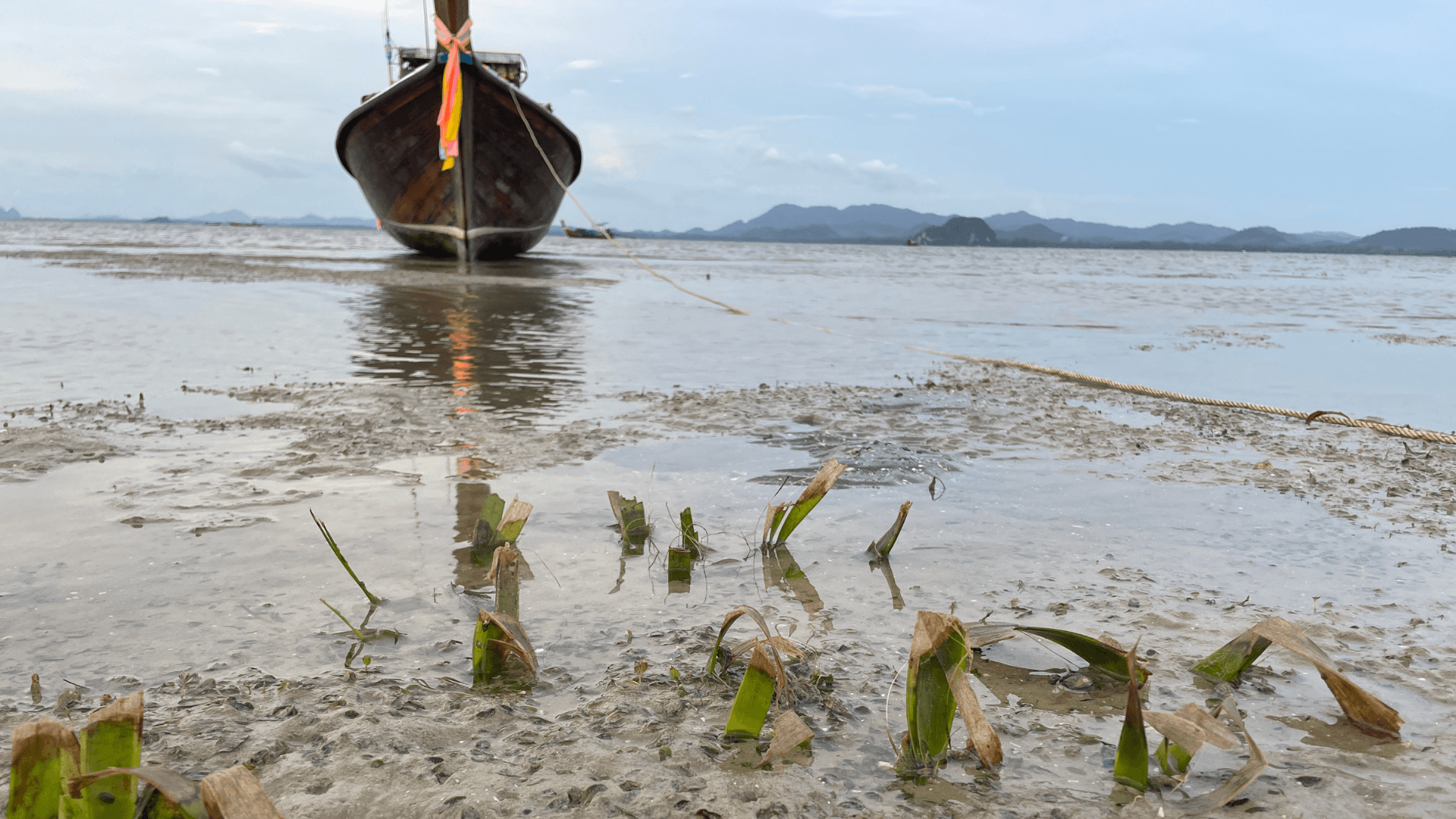
A new collaborative research project between Murdoch University and Walailak University (WU) aims to restore seagrass meadows in Thailand using 3D-printed pods made from bioplastics. The seagrass meadows around Koh Lidi, a pair of islands inside Mu Ko Phetra National Park in Satun Province, are a nursery for shrimp, crabs, and fish that sustain nearby coastal fishing communities. Seagrass is also the primary food source of Thailand’s declining dugong population. In recent years, unprecedented numbers of dugongs have washed up dead along Thailand’s Andaman Coast as seagrass meadows have been lost due to a range of environmental pressures. Seagrass restoration efforts in the area are often thwarted, as young shoots are washed away, buried in sediment, or eaten by marine life before their roots can establish. The project is being undertaken by Walailak University Ph.D. candidates Patsakorn Jeenchuay and Leoniel Jude Giray under the supervision of Professor Mullica Jaroensutasinee and Professor Krisanadej Jaroensutasinee, directors of WU’s Centre of Excellence for Ecoinformatics, in collaboration with Dr. Alexandra Gulizia and Professor Andrew Macrae from Murdoch University’s Bioplastics Innovation Hub (BIH). Biodegradable seagrass pod design. Credit Walailak University By designing and installing 3D-printed biodegradable pods, the project aims to protect young seagrass transplants and increase their survival rates. BIH Deputy Director Professor Macrae, who spent more than two decades working on mangrove restoration in Brazil, said restoration efforts generally fail for a variety of reasons. “One of the biggest challenges in seagrass restoration is helping young plants survive long enough to establish roots,” Professor Macrae said. “These biodegradable pods are designed to protect transplants from waves, sediment movement and grazing animals during those critical early stages.” The biodegradable prototype features a protective dome-and-anchor design that is inserted into the seabed with a seagrass shoot enclosed inside. The dome has structural slots in its sides, allowing roots to grow outward, while the plant is shielded from crabs, fish, and turtles until it can fend for itself. Made from a bioplastic called polyhydroxyalkanoate (PHA), the dome is designed to completely biodegrade once the plant is established. Field trials of biodegradable seagrass pod. Credit Murdoch University “The bioplastic is produced through bacterial fermentation using locally sourced microbial strains in Western Australia,” Gulizia said. “By tailoring the material’s properties, we can create a pod that’s durable enough to withstand marine conditions while remaining fully biodegradable.” The PHA required for the project can be produced at Murdoch University’s BIH and at the Joint Laboratory of Waste and the Circular Economy (WACE) at Naresuan University in Thailand. This month, Murdoch’s Professor Macrae, Gulizia and Dr. Samantha Vijjoen visited Koh Lidi to survey the site and meet with the Thai research team. The pods remain at the prototype stage and are undergoing safety and packaging testing before field trials commence. Leading seagrass expert Professor Jennifer Verduin, Murdoch University’s pro vice chancellor for the College of Environmental and Life Sciences, will provide expert guidance and mentorship throughout the project. “If successful, this technology could provide a scalable and environmentally friendly solution for restoring seagrass ecosystems across Southeast Asia and other coastal regions facing similar challenges,” Professor Verduin said. More information: This article is republished from Phys.org
A resilient native seagrass species could help reshape coastal restoration
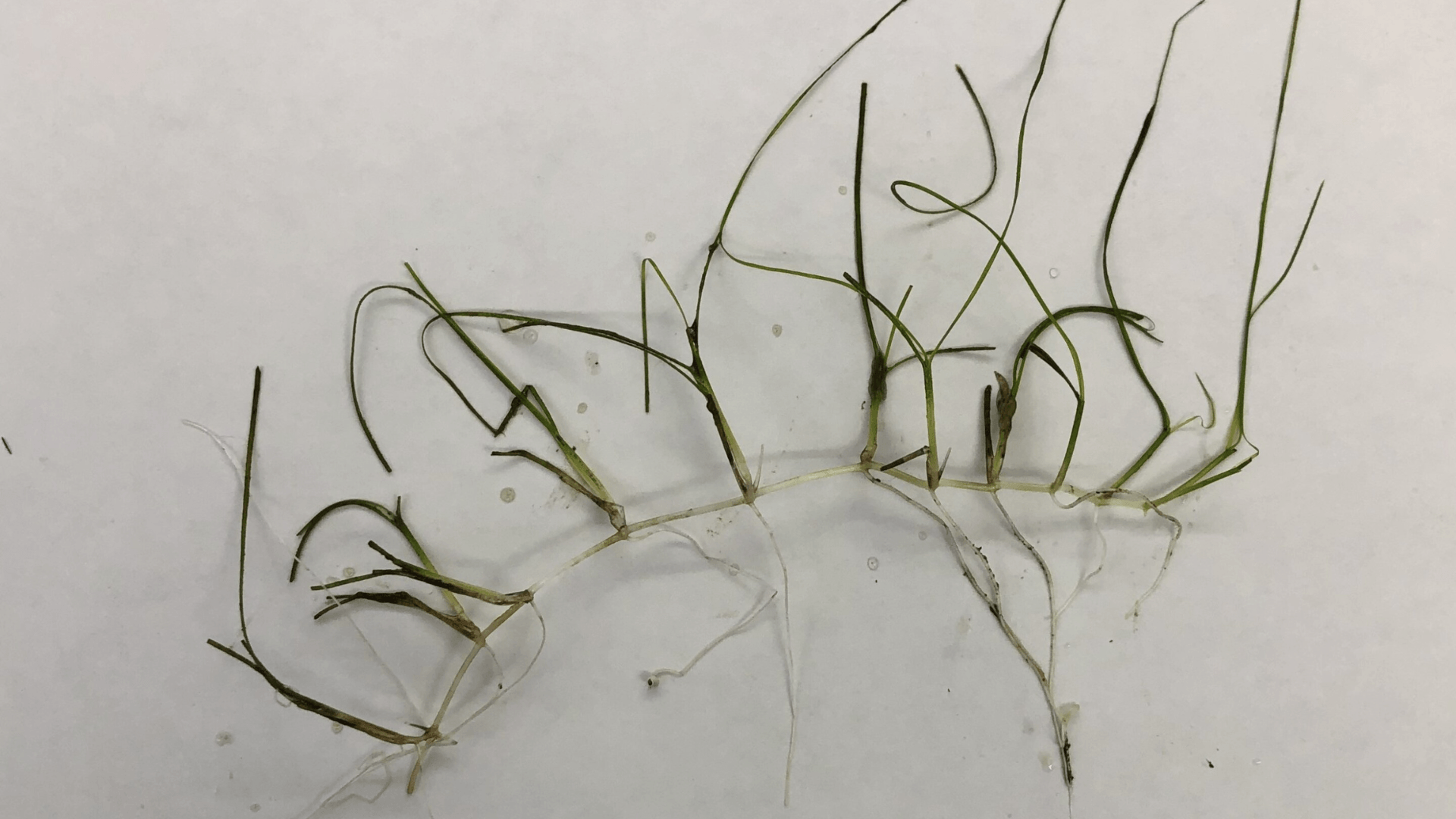
Seagrasses are among the most important foundation species in coastal ecosystems, providing habitat for marine life, stabilising sediments, and helping improve water quality. Yet nearly 20% of the world’s historic seagrass cover has been lost, and efforts to restore these vital underwater meadows often face significant challenges. In Florida’s Indian River Lagoon (IRL), widespread seagrass losses following harmful algal blooms have left many areas with little natural recovery. Now, researchers from Florida Atlantic University’s Harbor Branch Oceanographic Institute have identified a resilient native seagrass species that could offer a new approach to restoring degraded estuarine habitats. The study, published in Regional Studies in Marine Science, provides new insight into the life history and potential restoration applications of Ruppia maritima, a relatively uncommon seagrass in the IRL that has persisted in some of the lagoon’s most environmentally altered areas, including mosquito impoundments that can be especially challenging to seagrass while also offering a promising study environment. They are hydrologically altered wetlands separated from the lagoon by dikes and water-control structures. Seasonal reconnection through Rotational Impoundment Management creates fluctuating water levels and water quality, making these systems challenging environments for seagrasses. At the same time, they offer a unique setting to study how R. maritima withstands repeated disturbance and what makes the species potentially valuable for restoration. Ruppia maritima were transplanted into aquaculture tanks at the FAU Harbor Branch Seagrass Nursery to evaluate their growth, reproduction and potential for nursery cultivation. Credit FAU Harbor Branch To investigate, researchers followed R. maritima from the field to the laboratory and nursery. Over three years, they monitored naturally occurring populations at two sites within Bee Gum Point Nature Preserve, tracking seasonal changes in seagrass coverage, biomass and environmental conditions. They also examined the sediment seed bank and conducted laboratory experiments to determine which conditions trigger seed germination. In addition, plants collected from the preserve were transplanted into aquaculture tanks at the FAU Harbor Branch Seagrass Nursery to evaluate their growth, reproduction and potential for nursery cultivation. Results revealed that R. maritima follows a distinctive annual life cycle, growing primarily from late winter through spring, flowering and then dying back during summer. Despite seasonal flooding and deteriorating water quality, the population returned year after year. Researchers found the key beneath the sediment: a persistent seed bank that survived unfavorable conditions and regenerated when conditions improved, with laboratory experiments showing that lower salinity, particularly freshwater exposure, strongly stimulated germination. “Ruppia maritima has a remarkable ability to persist through disturbance,” said Rachel Brewton, Ph.D., senior author and an assistant research professor at FAU Harbor Branch. “Even when the plants disappear above ground, the population can persist as a seed bank in the sediment, waiting for conditions to become favorable.” Ruppia maritima from Bee Gum Point Nature Preserve. Credit FAU Harbor Branch The species demonstrated similar resilience in cultivation. Transplanted R. maritima established successfully in aquaculture tanks at FAU’s seagrass nursery, following a seasonal growth pattern similar to the wild population and producing viable seeds. Most notably, the cultivated population has remained self-sustaining in the nursery since its establishment in 2021. “That ability to regenerate from a persistent seed bank, combined with its successful cultivation in our seagrass nursery, is what makes this species particularly interesting from a restoration perspective,” said Richard Mulroy, study co-author and biological scientist at FAU Harbor Branch. The results suggest that R. maritima may serve as a useful pioneer species in IRL restoration—one capable of rapidly colonizing bare or disturbed areas and potentially helping create conditions for broader seagrass recovery. “Rather than simply replacing established seagrass communities, we see potential for Ruppia maritima to help initiate recovery in places where habitat has been lost,” said Deanna Webber, primary study author and research coordinator at FAU Harbor Branch. “Its ability to come back from seed after periods of environmental stress suggests it may be useful for disturbed systems where conditions are not always predictable.” The findings also support further exploration of seed-based restoration as a potentially useful strategy. During laboratory trials, R. maritima seeds remained viable during prolonged exposure to high salinity and germinated after freshwater exposure, suggesting that seeds could potentially be collected, stored and propagated before being introduced into restoration sites. The next step is field testing to determine where and how R. maritima performs best. Researchers will evaluate aquaculture-derived plants and seed-based approaches under natural conditions and identify the environmental conditions, planting methods and restoration goals for which the species provides the greatest benefit. “The goal of restoration is not simply to put seagrass back—it is to create the conditions for a functioning ecosystem to recover,” Brewton said. “If future field trials confirm what we are seeing in the laboratory, nursery and natural populations, Ruppia maritima could give restoration practitioners another tool for rebuilding seagrass habitat in the Indian River Lagoon and potentially other disturbed estuaries around the world.” More information: This article is republished from Phys.org Read the research paper here: Deanna F. Webber et al, Ecology and restoration potential of Ruppia maritima in a managed mosquito impoundment of the Indian River Lagoon, Florida, USA, Regional Studies in Marine Science (2026). DOI: 10.1016/j.rsma.2026.105271