Major pollution incident in Afon Cynffig Kenfig River a threat to wildlife and local communities
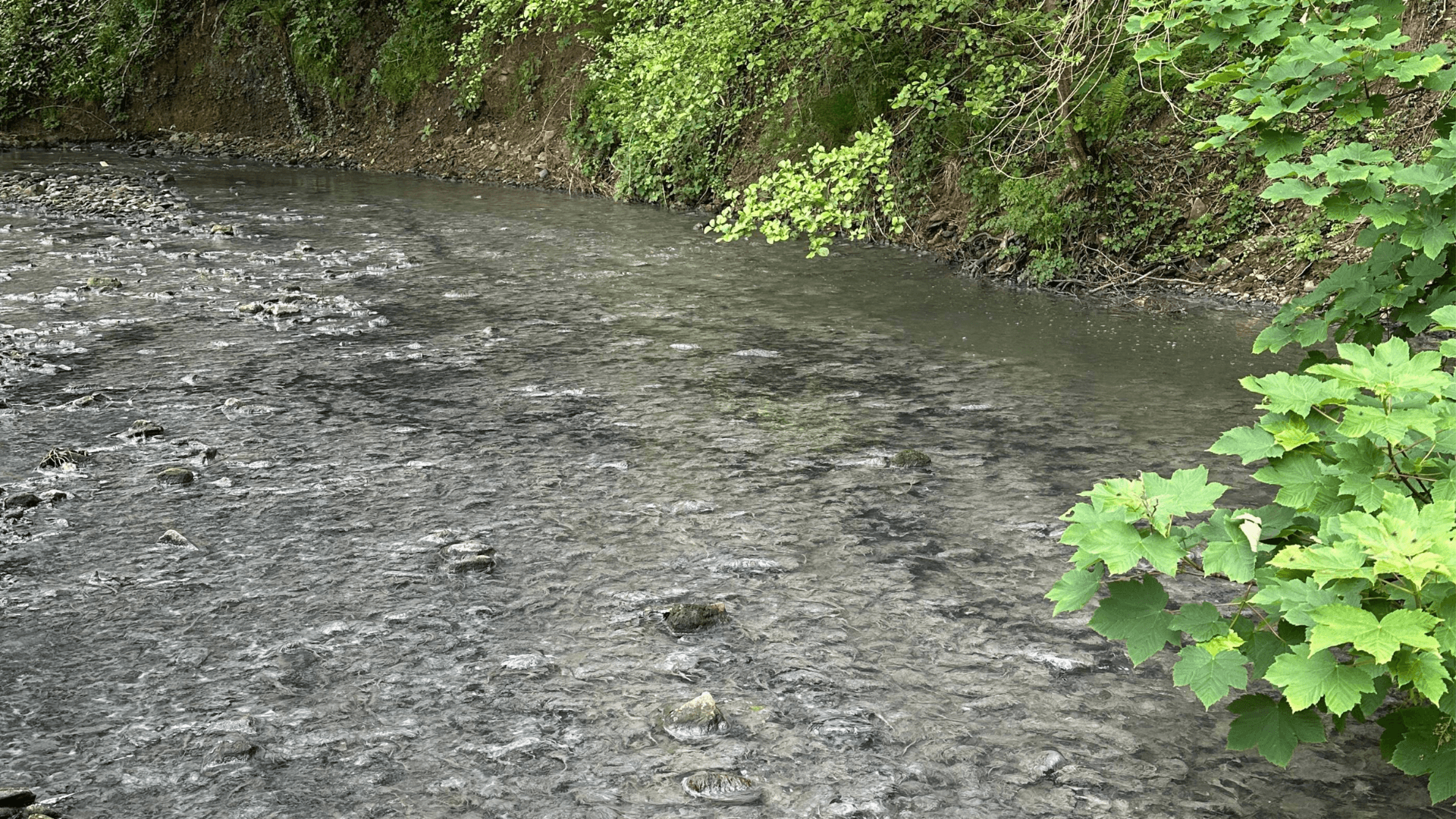
Project Seagrass calls for urgent action from Dŵr Cymru Welsh Water and Natural Resources Wales as a major sewage leak in Afon Cynffig Kenfig River continues to have a devastating impact on local wildlife, conservation efforts, and communities, weeks after the incident was initially identified. Afon Cynffig Kenfig River borders the northern edge of Kenfig National Nature Reserve, a designated Site of Special Scientific Interest close to our headquarters in Bridgend. Sewage has been entering the river following the failure of a key sewer pipe, resulting in visible grey pollution deposits on the riverbed, a layer of sewage sludge and sewage algae, alongside a strong smell of sewage in the local area. Local environmental charity A Peace for Nature (APFN) is undertaking ongoing environmental monitoring and evidence gathering in relation to the pollution incident, which has severely impacted wildlife in the river. Since the incident was first identified, APFN has conducted multiple site visits involving field water quality testing, visual river assessments, photographic and video documentation, microbiological sampling and ongoing observational monitoring of river conditions both upstream and downstream of the affected discharge location. Published reports, field data, photographs and supporting scientific references relating to the incident can be found here. Project Seagrass CEO, Dr Leanne Cullen-Unsworth, said: “This major pollution event comes at a time when nature is already at crisis point as a result of poor water quality. Our report with Blue Marine Foundation and Surfers Against Sewage highlighted that poor water quality is one of the greatest threats facing our oceans and one of the biggest barriers to successful marine conservation and restoration. Seagrass meadows across the British Isles continue to be impacted by excess nutrients, hindering chances of widespread recovery. But this isn’t just about seagrass. It’s about our rivers, our coasts and our communities. It is about children being able to paddle, swim and explore nature without fear of pollution. It is about people feeling confident that the water flowing through their communities is safe for wildlife and safe for people. I recently found myself thinking twice before entering my own local river because of concerns about water quality. That should not be the case. Access to clean, healthy water should not be considered a luxury; it should be something every community can expect and every generation can enjoy. We urgently need action to prevent pollution incidents like this from happening, to restore the health of our rivers and seas, and to ensure our regulatory and water management systems are delivering the healthy environment that both people and nature deserve.” APFN has conducted multiple site visits to assess the impact of the incident. Photo credit A Peace for Nature Sewage sludge and sewage algae in the Afon Cynffig Kenfig River Photo credit A Peace for Nature Seagrass meadows throughout the British Isles are subject to poor water quality, namely in relation to excess nutrients such as nitrogen. Our report found that water bodies around the British Isles contain seagrasses that are enriched by nitrogen isotopes indicative of organic nitrogen from urban sewage or livestock. An earlier study indicated that many seagrass meadows in the British Isles are under anthropogenic stress given the widespread inefficiencies of current sewage treatment and farming practices. Urgent action is required in order to reduce the threats that pollution poses to our seagrass habitats. Project Seagrass calls on Dŵr Cymru Welsh Water and Natural Resources Wales to: undertake a full assessment of the ecological impacts of this incident, with findings made publicly available; commit to restoring the affected river ecosystem and supporting its long-term recovery; identify and address the underlying causes of the infrastructure failure to prevent similar incidents occurring elsewhere; and work transparently with local communities and environmental organisations throughout the response and recovery process. We also call on governments, regulators, water companies and all those responsible for managing our waterways to recognise that clean water is fundamental to healthy ecosystems, thriving communities, and a resilient future. Preventing pollution must become a national priority, not simply responding once environmental damage has already occurred.