

Local fisher designs innovative shellfish pot which is helping to protect seagrass in Pembrokeshire
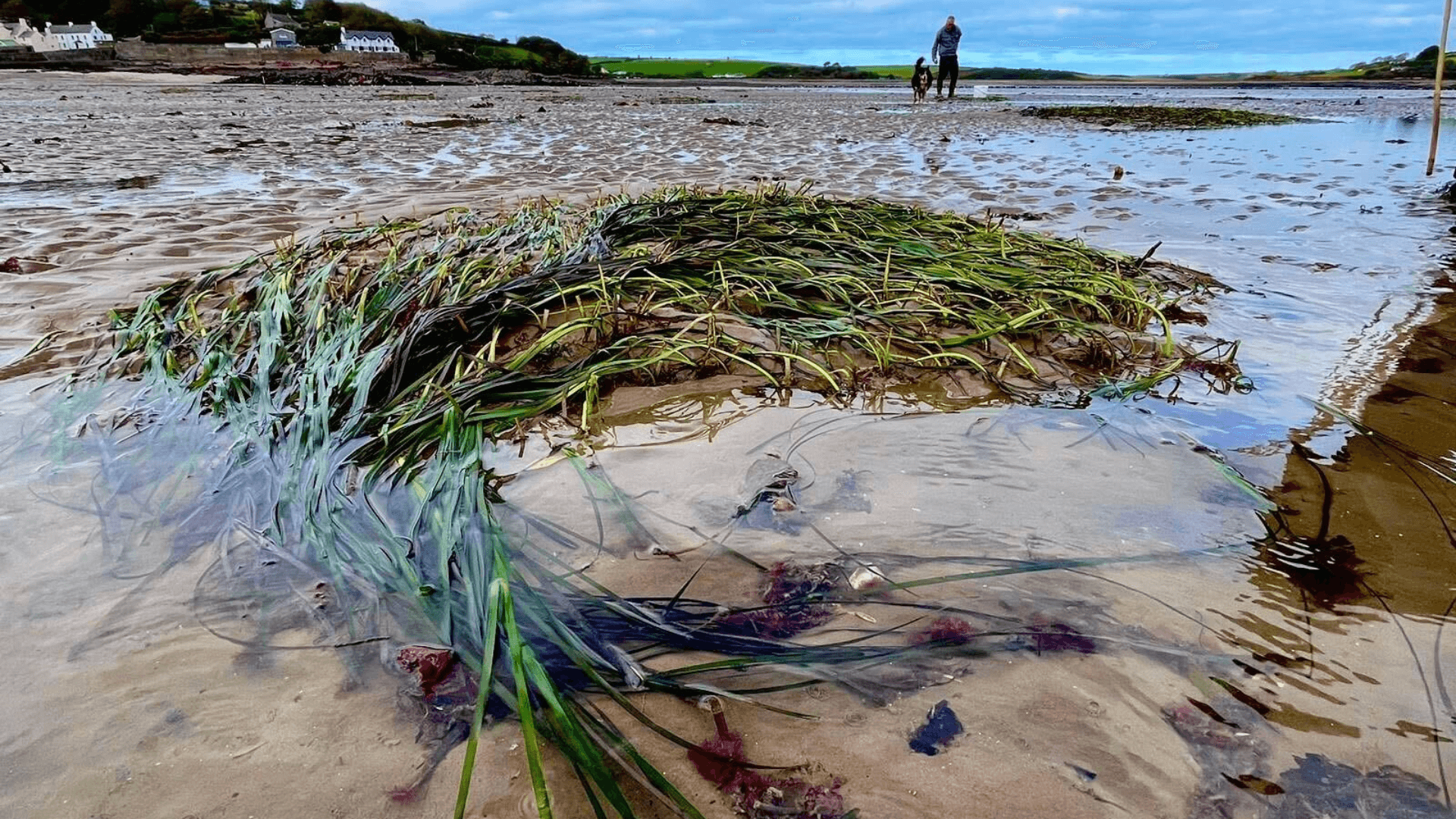
In Dale Bay, Pembrokeshire, a collaboration between local fishers and marine conservation charity Project Seagrass is showing positive results for both sustainable fishing and seagrass restoration. Dale Bay is the location of an ongoing seagrass restoration project, delivered by South Wales based charity Project Seagrass and overseen by the Dale Seagrass Stakeholder group (a group made up of local individuals across different sectors). The project began as a way to boost the natural seagrass meadow in the bay, trialling new techniques and raising awareness of the importance of seagrass for local biodiversity, water quality, and fish populations. Mark from Lilly May Fishing has worked with Project Seagrass from the start of the project to assist in site selection and deploying monitoring equipment. As the project has progressed, Mark noticed he was sometimes tearing up seagrass as he lifted his pots up to retrieve crab and lobster. In response to this, Mark designed a raised shellfish pot with short mesh legs to lift the gear just off the seabed. Made by local boat builders Robust Boats, the pots were deployed over the last two seasons with catch monitored over that time. Early results are positive showing that the new pot design is effective for storing crab catch, with some tweaks required for lobsters, whilst also reducing mud build-up and reducing the impact on the seagrass. Mark reported: “Overall, [it has] worked very well in seagrass – I would recommend using them as storage pots in shallow water where seagrass is as it’s very low impact on the grass with the mesh legs compared to steel bar bottoms” Project Seagrass is continuing to plant seagrass in Dale Bay alongside carrying out regular monitoring to determine seagrass recovery and resilience. It will be interesting to see how the natural meadow responds to the reduced impact from shellfish pots over time. Seagrass caught in pots (credit Mark Gainfort) Seagrass growing in Dale Bay, Pembrokeshire. Beyond Dale Across South & West Wales, fishers, anglers, spearfishers, aquaculture workers, and seafood gatherers have been taking part in a survey to share their local knowledge about seagrass and fishing areas. This information is helping identify the best sites for future seagrass restoration work. Full results will be released in the New Year, but early insights already show just how valuable local experience is in guiding conservation. If you’d like to take part, the survey is open until 31st January link here: https://t.ly/gxUSx What’s next? Project Seagrass will also be hosting a series of events in the New Year to celebrate sustainable local seafood and the amazing role seagrass plays in healthy seas. This work is made possible thanks to funding from the Nature Networks Programme which is being delivered by the National Lottery Heritage Fund on behalf of Welsh Government, and Rebel Restoration.
Songs from the Solent: New album by Richard Walters celebrates local community, culture, and the fight to restore coastal nature
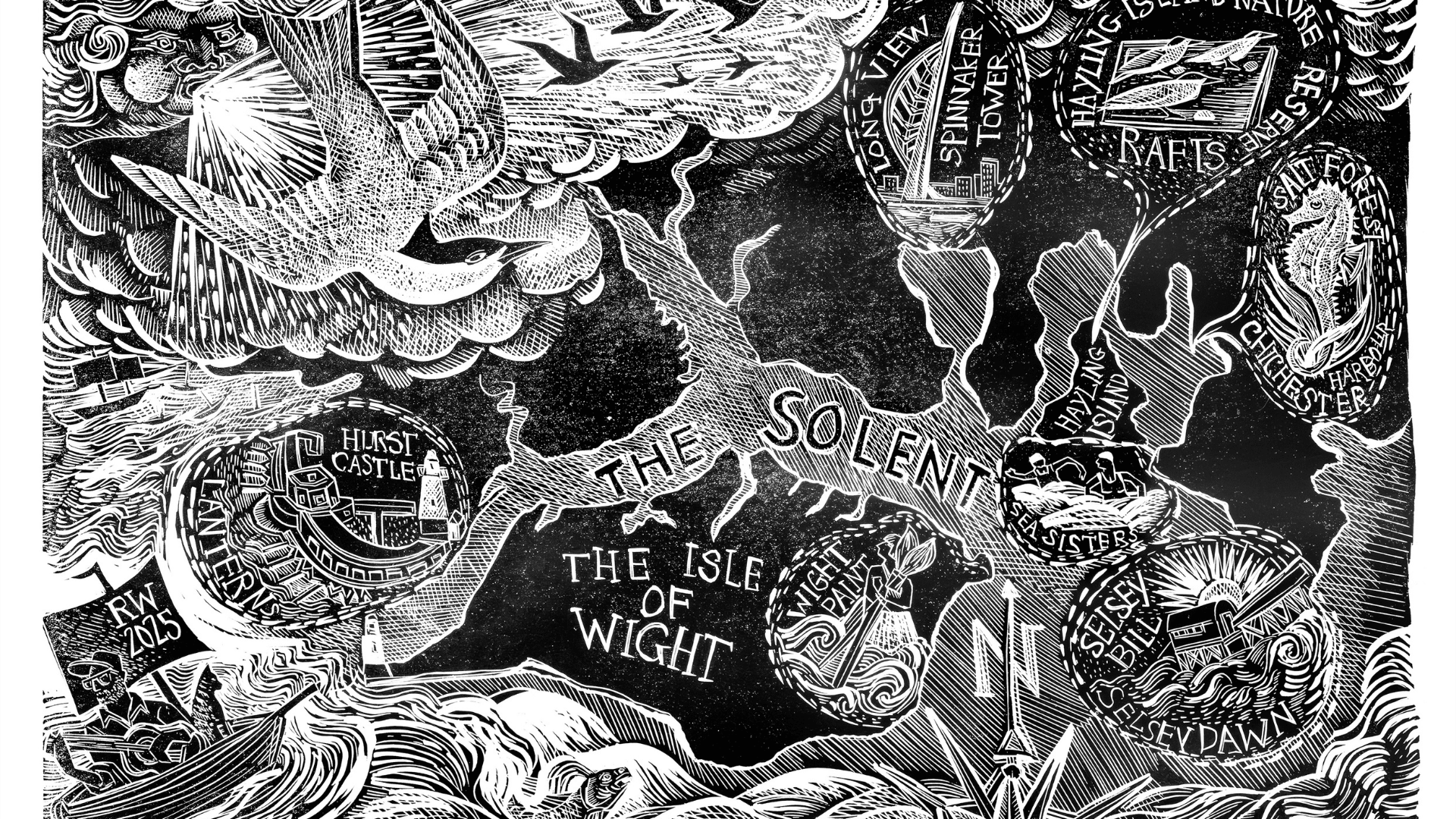
Grammy-nominated singer and Solent Seascape Project collaborate with Jeremy Irons and Angela Harding to celebrate and protect the region’s coastal habitats. The Solent Seascape Project, of which Project Seagrass is a partner, has launched Songs from the Solent, a new EP by Grammy-nominated singer and songwriter Richard Walters that uses music to spotlight the Solent’s threatened coastal habitats and the communities connected to them. Created during Richard’s Artist Residency with the project, the album is inspired by the Solent’s local community as well as the saltmarshes, seagrass meadows, oyster reefs, and seabird sites the project is working to restore and protect – habitats that lock away carbon, protect shorelines, and underpin marine life. Available to stream and download now, the album features eight original songs influenced by the sounds of the seascape and voices of the Solent, with proceeds helping towards vital restoration of these threatened habitats. “I hope the songs I’ve written shine a light on parts of the coastline it’s easy to overlook, I hope they make people think about this seascape and why we must give it our care and attention, and I really hope it inspires people to spend time exploring the area,” Richard said. Local stories, international voices The album brings together a rich tapestry of local Solent talent, including painters, choirs, and musicians, alongside internationally acclaimed contributors. Oscar-winning actor Jeremy Irons, who was born on the shores of the Solent at Cowes on the Isle of Wight, lends his distinctive voice to Lanterns Part 1; Isle of Wight artist Trudie Wilson lists the paints made of natural pigments she uses in the song Wight Paint; and members of Big Notes Choir from Chichester sing on Salt Forests, inspired by the tiny wonders of saltmarsh worlds. Richard said, “To be awarded this residency has been a real gift, an excuse to get out there and dig a little deeper, to meet the people that play their part in Solent communities, to tell their stories and give voice to the silent elements in need of our support. The work the Solent Seascape Project does is remarkable and I’m very happy to play a small part in amplifying their message.” To gain inspiration for the songs, Richard met with local groups and communities to find out what makes the Solent and its habitats special to them. It saw him chatting with sea swimmers at Hayling Island and heading to the top of Spinnaker Tower in Portsmouth. Their responses have been woven together with field recordings gathered at sites the project is working to restore. Adding a visual dimension to the release, renowned linocut artist Angela Harding has created a bespoke map of the Solent. The map highlights the locations that inspired each song and features on the Solent Seascape Project’s website, allowing listeners to connect the music directly with the places that shaped it. “It has been a great delight to work on this special map of the Solent Seascape Project for Richard Walters. It is loosely based on an old sea chart — with wild winds pushing the terns to their rafts, and Richard sailing out to sea in a small boat, cat and guitar, dodging sea monsters as he goes. I hope it is a map to be enjoyed and raise awareness of the important conservation work being done by the Solent Seascape Project,” said Angela. A seascape in recovery The Solent Seascape Project is a five year, multi-million-pound partnership of 10 organisations led by Blue Marine Foundation, working to protect, restore, and reconnect key habitats – saltmarsh, seagrass, seabird nesting sites and native oyster reefs – across the Solent. Through music, Songs from the Solent aims to raise awareness of the environmental challenges facing these habitats while building a deeper, emotional bond between people and place. Solent Project Manager, Louise MacCallum said, “The Songs from the Solent have given me the opportunity to look at this beautiful seascape we are working to restore through such a wonderful new artistic lens. I feel excited for new members of the Solent community to discover the work we are doing through the power of music.” The songs area available to download and stream on Spotify, Apple Music, Amazon Music and Bandcamp, with a live performance taking place at the Square Tower in Portsmouth on 11 February. Tickets for the performance will be free and are available from Friday (16 Jan). The Solent Seascape Project is supported by East Head Impact and the Endangered Landscapes & Seascapes Programme (ELSP), managed by the Cambridge Conservation Initiative and funded by Arcadia. Find out more about the Solent Seascape Project at www.solentseascape.com