

Dr. Benjamin Jones Wins Inaugural Bonefish and Tarpon Trust Davidson Science Award
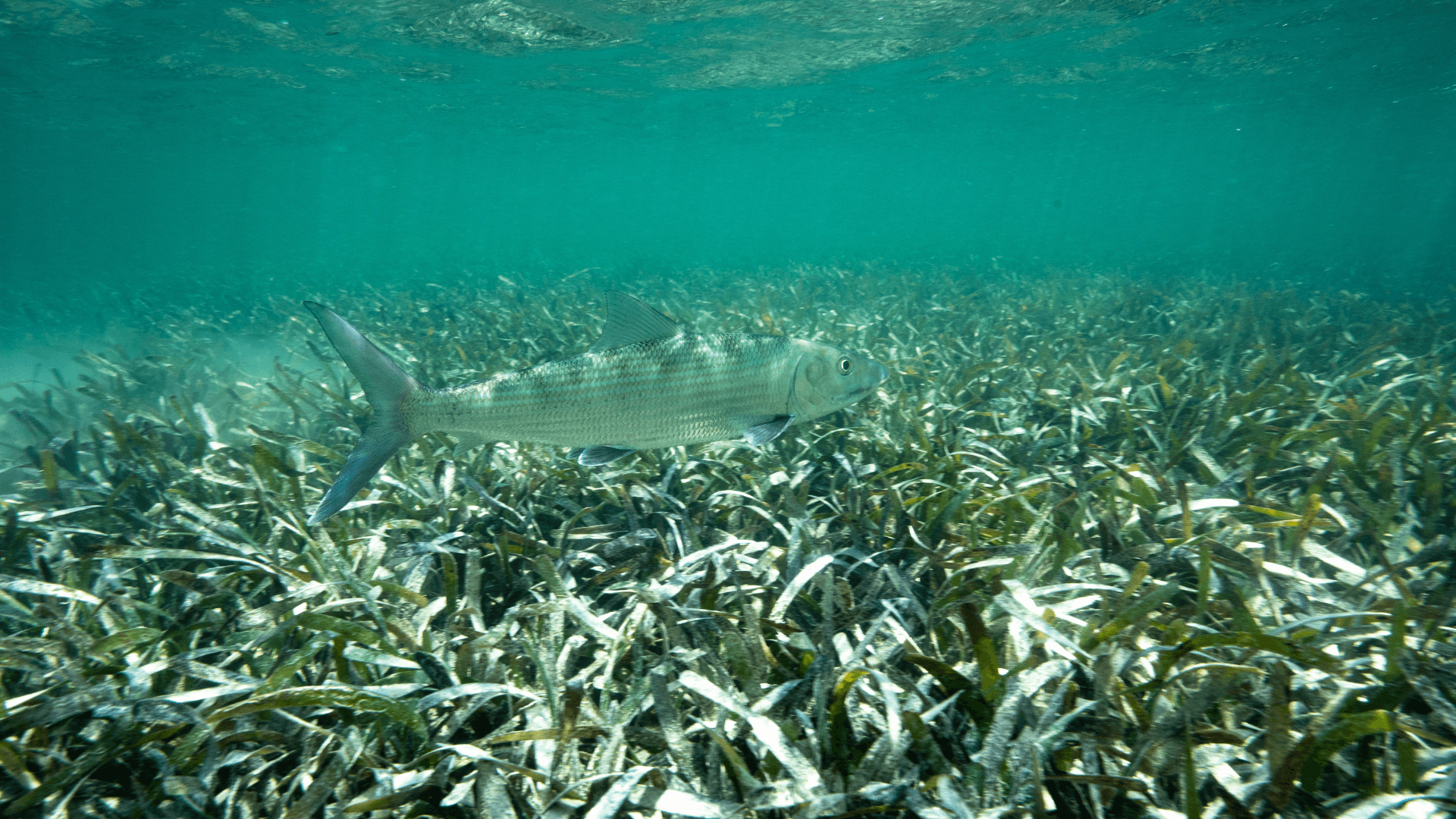
Bonefish & Tarpon Trust have selected Project Seagrass’ Chief Conservation Officer and Co-Founder Dr. Benjamin Jones as the recipient of the inaugural Davidson Science Award. The award has been established to recognize transformative scientific contributions to flats conservation, coastal inshore waters utilized by anglers which are dominated by seagrass meadows. The award is named in tribute to Tom Davidson, Sr., Bonefish & Tarpon Trust’s Founding Chairman and an influential leader in business and conservation. For the past two years, Ben has been collaborating with the Bonefish & Tarpon Trust and scientists from Florida International University on an alternative fishery assessment project that was designed to address long-standing challenges in managing data-poor fisheries. Upon receiving the award, Ben said: “I’m deeply honoured to receive the inaugural Davidson Science Award. This work began as an idea to bridge science and lived experiences, and its success shows what’s possible when we rethink how fisheries can be assessed and more strongly bring fishers on that journey with us. With this support, we can scale this work across the region and help secure a more resilient future for bonefish, tarpon, permit, and the coastal communities that rely on them. Bonefish fishery, South Florida. Credit Ian Wilson Dr Benjamin Jones receiving the Bonefish and Tarpon Trust’s inaugural Davidson Science Award Recognizing that traditional stock assessments are often impractical for data-poor fisheries, Ben worked closely with fishing guides in South Florida who are highly dependent on seagrass meadows to devise new ways to understand and manage an important seagrass associated catch-and-release recreational fishery. In the initial phase of this project, Ben led an extensive literature review across multiple fields on the use and optimization of Indigenous and Local Knowledge (ILK). Of the c.400 studies reviewed, results highlighted the primarily qualitative nature of the studies, the lack of replicability, and underutilization in seagrass fisheries, all of which presented opportunities for quantitative studies to feed into ongoing fisheries management and conservation. Utilizing the concept of the Wisdom of Crowds, the project subsequently tested whether estimates of fishing quality from diverse groups (in this case, multiple ages and years of fishing experience) were more accurate than estimates provided by homogenous groups. Results showed that estimates from small diverse crowds (multiple ages and years of experience) outperformed most estimates from larger homogenous crowds with responses aligning with the empirical data available. Through this work, an innovative method, now termed a Best Catch Assessment (BECAA), was developed utilizing local knowledge to determine historic trends and current fishery status. The method builds upon the work Dr. Andrea Sáenz-Arroyo, a researcher working with coastal communities in Mexico, by asking two key questions surrounding best catch in the past and current best catch. A BECAA has already been successfully applied to assess the bonefish fishery in South Florida, demonstrating its effectiveness and promise for broader conservation efforts. With $50,000 in support from the Davidson Science Award, Ben will lead new assessments for other seagrass-associated species and initiate the process of applying the method in additional locations across the region. “Dr. Jones’ work on alternative methods to assess fisheries reflects a pioneering approach that will have a positive influence on how we manage not only the flats fishery, but data poor fisheries globally,” said Dr. Aaron Adams, Bonefish & Tarpon Trust Director of Science and Conservation. The work has the potential to be utilized in further seagrass contexts. “This is also an opportunity to bring this to even more places globally, in places where people depend on coastal habitats for food and livelihoods for example and ensure that conservation decisions are informed by the people who will be affected by them” said Ben. A bonefish swims through a seagrass meadow in South Florida. Credit Ian Wilson Bonefish in seagrass. Credit Ian Wilson About Bonefish & Tarpon Trust Bonefish & Tarpon Trust’s mission is to conserve bonefish, tarpon, and permit—the species, their habitats and the larger fisheries they comprise. BTT pursues this mission through science-based conservation, education, and advocacy across Florida, The Bahamas, Belize and Mexico, as well as in coastal states from Texas to Virginia. Learn more at: www.BTT.org. About the Davidson Science Award The Davidson Science Award honors the legacy of Tom Davidson, Sr., whose leadership has shaped both the corporate and conservation landscapes. As Founding Chairman of Bonefish & Tarpon Trust, Davidson helped establish BTT’s enduring mission to conserve the flats fishery through science, education, and advocacy. He also served on the Florida Keys Marine Sanctuary Advisory Board and as V.P. Director of Sanctuary Friends of the Florida Keys, and was a director of the Everglades Foundation. With the decline of the bonefish fishery in the Florida Keys the talk of the fishing community in the 1990s, Tom Davidson took decisive action. With a core founding group, Tom created Bonefish & Tarpon Unlimited. BTU (now BTT) was unique in multiple ways: it was the first organization to focus on conservation of the flats fishery; BTT engages the fishing community as a core tenet; and Tom’s vision was for BTT to be a science-based organization that conducts collaborative science to address real conservation needs. This innovative combination of vision, collaboration, and action has enabled BTT to be far more influential in regional flats and coastal conservation than anyone imagined. This award is aimed at continuing that legacy by supporting innovative science that contributes to transformative conservation.
Sea snails – Creatures that call seagrass home
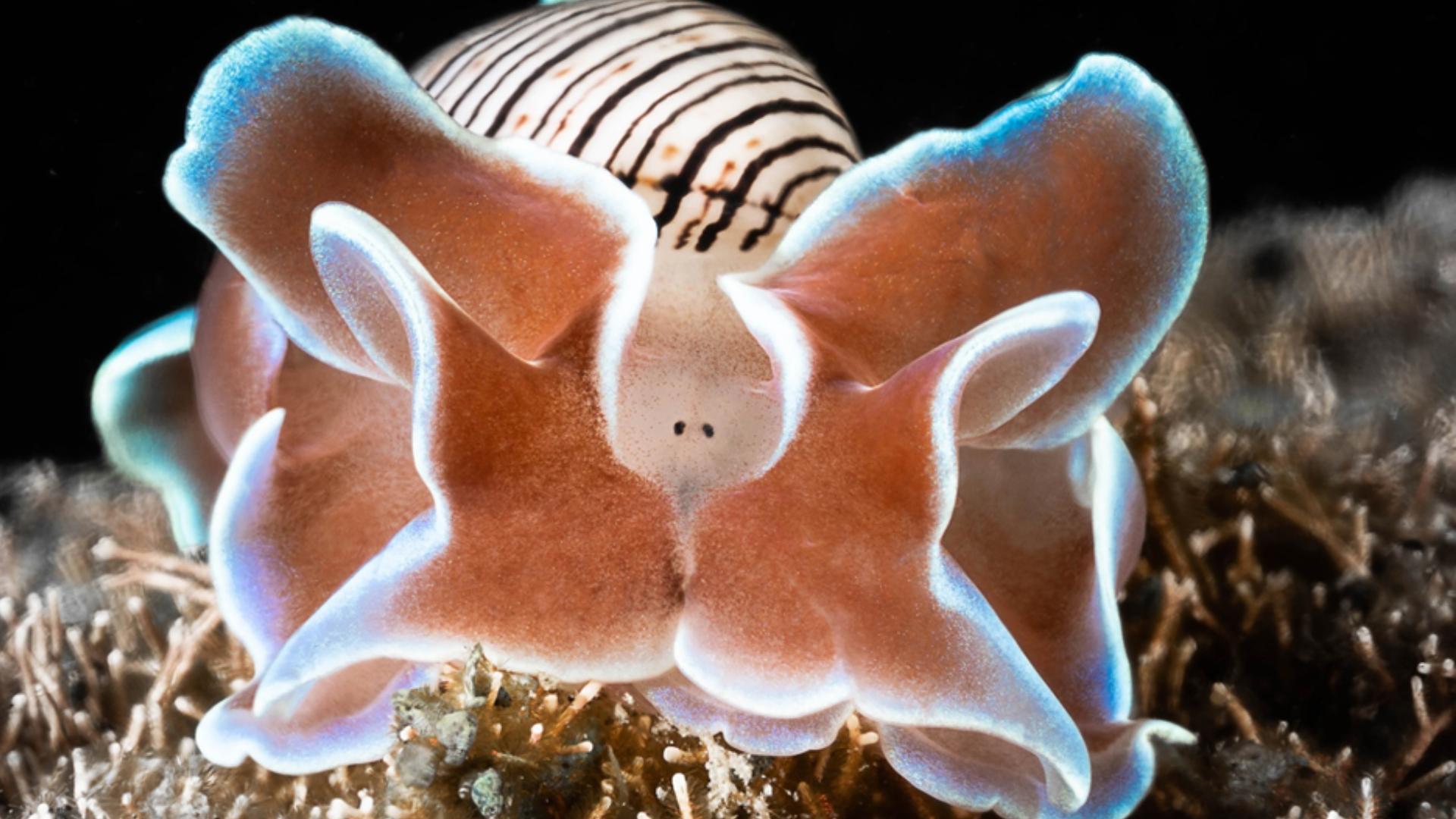
In a new blog series, our Conservation Trainee Abi David explores some of the amazing creatures that call seagrass meadows their home. Sea snails are a hugely diverse group of marine gastropod found in all over the world. There is such a vast range of different colours, sizes, diets and life strategies within the sea snail community. These are fascinating little creatures that deserve a lot more attention than they receive! A big issue for sea snails inhabiting shallow coastal areas is desiccation – drying out when the tide goes out. Some species, like periwinkles, will group together in rock crevices and excrete a gluey mucus to hold them in place and retain moisture. A lot of species have an operculum. This structure is attached to their foot and acts as a trapdoor. When the snail retreats into its shell, the operculum will seal shut, preventing moisture from escaping and the snail from drying out. Snail mating behaviour is both odd and fascinating. There are so many variations in the sea snail world – from self-fertilising hermaphrodites to standard sexual reproduction. Some species are your standard dioecious set up – within the species there are male individuals and female individuals where gametes from each are needed for reproduction. For example, the common whelk Buccinum undatum has separate males and females. The females will release pheromones to attract males and fertilisation will happen internally, allowing the production of egg capsules. Each capsule contains between 600 and 2000 eggs. Despite being in the same egg capsule, the developing embryo may still have different fathers as the females can mate multiple times and store sperm until the environmental conditions are perfect. Other snail species will gather in groups and release their gametes straight into the water column for fertilisation to take place. Shannon Moran / Ocean Image Bank Hermaphroditism is where one individual produces both male and female gametes. Some species such as bubble snails and mud snails are simultaneous hermaphrodites – they can produce both sets of gametes at once, meaning they can self-fertilise. Protandrous sequential hermaphroditism is when the individual started out as male but changes sex to become a female at some point throughout their lives. Species in the genus Crepidula (slipper snails) express this behaviour. The change in sex is thought to be influenced by their social situation – number, sex and size of other individuals in the vicinity. Some species will carry around their offspring on their shells. Males of the whelk species Solenosteira macrospira will carry the offspring of up to 25 other males. When mating, the female will glue capsules containing hundreds of eggs onto the males shell. As the eggs hatch, some of the first to break free will eat their siblings that are still developing inside the egg. Other species will glue their eggs to solid structures in the environment and leave them to raise themselves. Eggs can hatch into larvae which will travel with currents to help dispersal and mix populations and then settle down to develop after a few weeks. In other species, tiny, fully formed versions of the adults will hatch. Why am I telling you about sea snails? Because they love seagrass! Uk species such as the mud snail Peringia ulvae, banded chink snail Lacuna vincta, the bubble snail Haminoea navicular and perhaps the most recognisable common periwinkle Littorina littorea and netted dog whelk (Tritia reticulata) are all known to use seagrass meadows in at least one stage of their life cycle. Some snails, such as the dog whelk, will lay their eggs on the leaves of seagrass, attaching them with a mucus to hold them firm and preventing coastal currents from dislodging the eggs. Some species will eat the algae growing on the seagrass leaves. They use sharp, tiny teeth like structures to scrape the algae off the leaves. This is very important for the health of seagrass as too much algal growth will smother the plant, preventing sufficient light for photosynthesis to reach the leaf. There is evidence showing the presence of snails on seagrass increases leaf length and nutrient content (Jiang et al., 2023). Other benefits of these little critters Sea snails play a huge role in ecosystems and coastal environments. Their role as an indicator species helps us understand environmental health and can be used to measure levels of pollution and habitat quality. In some cultures, they are harvested for their meat and shells, creating important income streams for coastal communities. Snails form a vital part of many species diets, including birds, crabs and fish. Some species are detritivores – they will eat dead and decaying organic matter on the sea floor. This is a very important role as it prevents nutrient build up which can lead to algae blooms and disease outbreaks. Sea snails are even being used in scientific research to advance technologies. All snails have tiny teeth-like structures on their radula (a tongue-like mouthpart), however in some species these are super strong. Patella vulgate, a species of limpet, have some of the strongest in the world – the strength of their teeth is comparable to some of the strongest commercial carbon fibres and can withstand the pressures that turn carbon into diamonds (Sea Snail’s Teeth: Are They the Strongest Biomaterials in the World?, 2019). These properties are being studied for use in improving and adapting technology used in building planes, boats and dentistry. Researchers are investigating compounds in the venom some sea snails produce for possible use in medicinal drugs for pain relief and diabetes (Sea snail poison promises new medicines, 2018). If you want to find out more about these strange little creatures, I’d recommend these articles to start: 5 Sensational Sea Snail Species Sea Snail References: Sea snail poison promises new medicines | Research and Innovation. (2018). Projects.research-And-Innovation.ec.europa.eu. https://projects.research-and-innovation.ec.europa.eu/en/projects/success-stories/all/sea-snail-poison-promises-new-medicines Eren , R. (2019). Sea Snail’s Teeth: Are They the Strongest Biomaterials in the World? [online] Fountain Magazine. Available at: https://fountainmagazine.com/all-issues/2019/issue-132-nov-dec-2019/sea-snail-s-teeth-are-they-the-strongest-biomaterials-in-the-world. Jiang, Z., He, J., Fang, Y., Lin, J., Liu, S., Wu, Y. and Huang, X. (2023).