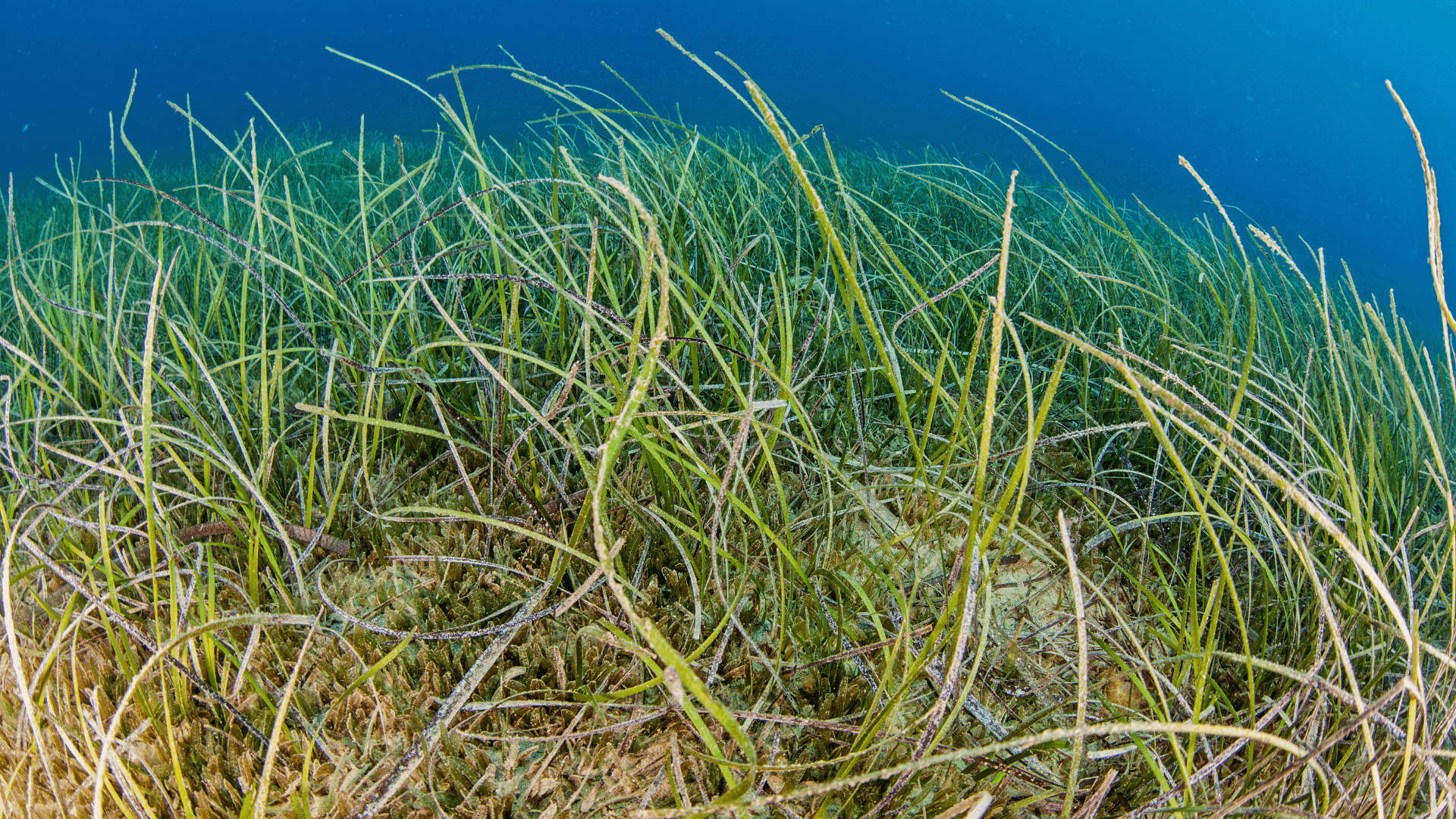
Current estimates of the global extent of seagrass range from between 160,000-266,000km. Such a high degree of uncertainty presents challenges for researchers and managers and their ability to make informed decisions which account for the changing status of seagrass ecosystems. Key to improving our understanding of seagrass presence and absence, identified as one of the six Global Challenges facing effective seagrass conservation, is the collection and integration of interoperable data on seagrass extent. A new paper published in Bioscience from members of the Coordinated Global Research Assessment of Seagrass Systems working group outlines how the Seagrass Essential Ocean Variable can help us to address this challenge. This paper was co-written by members of our Project Seagrass team. Achieving our goals for seagrass conservation requires reliable information on the status and trends of seagrasses and the organisms that associate with them, yet seagrass variables measured and the methods for doing so vary widely across projects and organisations, presenting challenges for comparisons across studies. This new paper provides a global framework for seagrass monitoring as an Essential Ocean Variable of the Global Ocean Observing System, key to aligning seagrass researchers and managers around a common approach to seagrass monitoring. Implementing these guidelines will support the collection of more comparable, compatible, and combinable seagrass data. The Seagrass Essential Ocean Variable contains three priority measurements to maximise compatibility across data sets: Seagrass percentage cover Seagrass species composition (the identify and relative abundances of seagrass species in an area) Seagrass areal extent (the horizontal extent of seagrass at the meadow of seascape scale These three priority measurements collectively have been identified to provide the most useful assessment of seagrass status and change at landscape scales, addressing most scientific, management, and policy needs and targets. The Essential Ocean Variable also includes further supporting variables relating to biological and environment factors. Seagrass monitoring using SeagrassSpotter At Project Seagrass we’re well placed to contribute to this global process with our OpenAccess SeagrassSpotter.org platform collecting georeferenced data on seagrass percentage cover and species composition. In 2026 we will also be launching a complementary app called SeagrassTracker which will help scientists report, share, and archive data on seagrass spatial extent. These platforms are all linked to the Global Ocean Observing System. Key to the Seagrass Essential Ocean Variable is a commitment to collaborate. If utilised across widely, the EOV will support the creation of a growing resource of seagrass data that is maximally compatible and supports more reliable local research and better-informed management.